Fall in Hattiesburg, Mississippi, brings opportunities to enjoy cooler mornings, local events, and weekend drives throughout South Mississippi. However, the season can also bring severe thunderstorms, heavy rain, flash flooding, and other challenging weather conditions. Preparing your vehicle before a storm develops can help you respond more confidently when weather changes affect your daily commute.
For drivers throughout Hattiesburg, Gulfport, and surrounding communities, vehicle preparedness involves more than checking the fuel gauge. It means inspecting essential vehicle systems, keeping emergency supplies within reach, monitoring weather alerts, and understanding when driving conditions are too dangerous to continue. Dossett GMC Cadillac is a local resource for drivers who want to keep their GMC vehicles maintained as the fall weather season progresses.
Why Fall Weather Preparation Matters in Hattiesburg
South Mississippi drivers can encounter changing weather conditions even during an ordinary trip to work, school, or a neighboring community. Heavy rainfall can reduce visibility, make roads slippery, and create standing water in low-lying areas. Strong thunderstorms may bring damaging winds, fallen branches, and debris.
The Atlantic hurricane season also continues through November, so tropical weather can remain a consideration during fall. Even when a storm does not make a direct landfall, its rain bands and related weather systems can affect travel conditions inland.
A few preventive steps can help you prepare for unexpected delays or changing road conditions.
1. Inspect Your Tires Before the Next Storm
Tires are your vehicle's primary contact with the road, making them especially important during rainy weather. Worn tread, improper inflation, and visible tire damage can affect handling and braking.
Before severe weather becomes a concern, take time to:
- Check tire pressure when the tires are cold, following the pressure listed on your vehicle's tire information label.
- Inspect tread for uneven wear, cracks, bulges, or embedded objects.
- Look for signs that a tire may be losing air.
- Check the condition of your spare tire, if equipped, and make sure you know how to access it.
- Ask a qualified technician to investigate recurring pressure loss or unusual wear.
Adequate tread helps channel water away from the tire's contact area, but even well-maintained tires cannot eliminate hydroplaning risk. Reduce speed in heavy rain, increase following distance, and avoid sudden steering or braking.
2. Check Your Brakes, Battery, and Essential Fluids
A vehicle needs reliable braking, electrical power, and properly maintained fluids in every season. These systems deserve particular attention before periods of unpredictable weather.
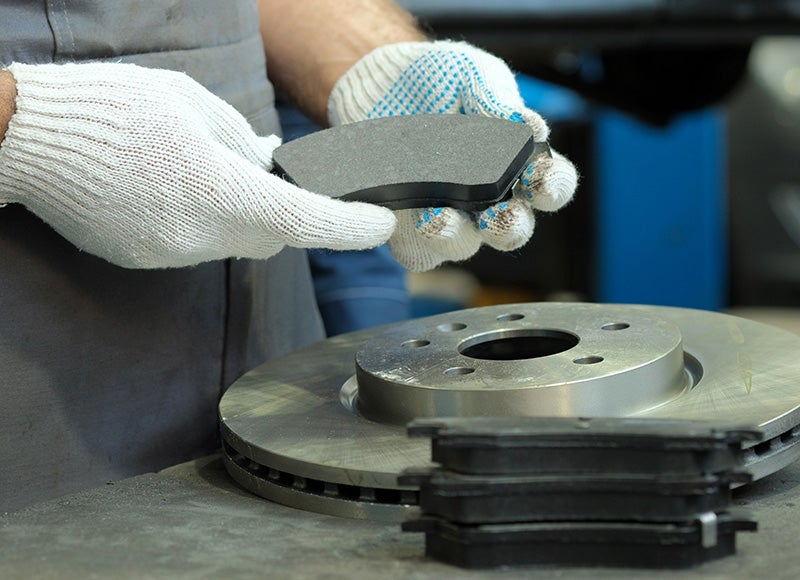
Have your brakes inspected if you notice squealing, grinding, vibration, pulling, or changes in pedal feel. Do not assume that a vehicle will stop normally simply because its brakes worked well in dry weather.
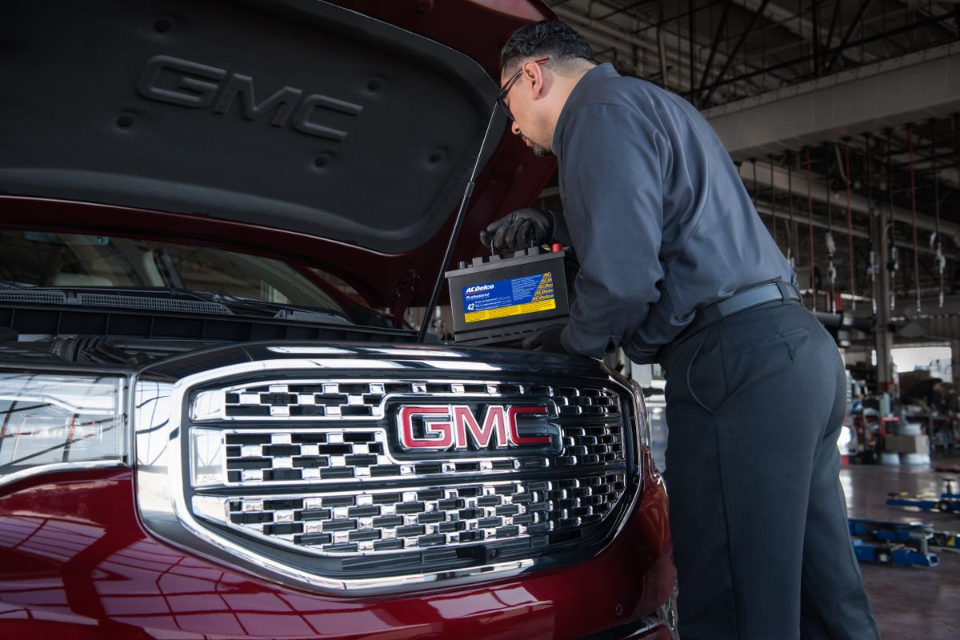
Your battery also deserves attention. Inspect for corrosion around the terminals and watch for slow engine cranking or other signs of a weakening battery. A battery test can help identify potential problems before you become stranded.
Check the following fluids according to your owner's manual:
- Engine oil
- Engine coolant
- Brake fluid
- Windshield washer fluid
- Other manufacturer-specified fluids
Use the correct fluids for your vehicle, and never remove a hot cooling-system cap. If you notice a leak or repeated low-fluid warning, have the cause diagnosed instead of simply topping off the system.
Dossett GMC Cadillac's service department offers GMC maintenance and multi-point vehicle inspections that cover important components such as tires, brakes, wiper blades, and fluid levels.
3. Make Sure Your Windshield Wipers and Lights Are Ready
Heavy rain can quickly make driving difficult when your windshield wipers leave streaks or fail to clear water effectively.
Inspect the wiper blades for cracks, hardened rubber, or missed sections of glass. Replace worn blades and refill the windshield washer reservoir with suitable washer fluid.
Next, check your headlights, taillights, brake lights, turn signals, and hazard lights. Have another person help you verify that each light works correctly. Clean the lenses when dirt or road film reduces visibility.
Use your headlights when visibility is poor, and follow local requirements. Avoid high-beam headlights in heavy fog or situations where their reflection can further reduce visibility.
4. Assemble a Vehicle Emergency Kit
A vehicle emergency kit can be useful when storms cause traffic delays, temporary road closures, or unexpected roadside stops.
Consider keeping these supplies in a secure, accessible location:
- Drinking water and shelf-stable snacks
- A flashlight with spare batteries
- A first-aid kit
- A phone charging cable and portable power bank
- Reflective warning devices
- A basic tool kit and work gloves
- A properly sized tire-pressure gauge
- A rain jacket or other weather-appropriate clothing
- Emergency contact information and a list of essential medications
- A blanket and other supplies appropriate for your passengers
Drivers with children, older passengers, pets, or specific accessibility needs should customize their kits accordingly. Check expiration dates periodically and recharge electronic devices before trips.
Keep emergency equipment secured so it does not become a hazard during sudden braking. Do not store heat-sensitive supplies where extreme temperatures could damage them.
5. Prepare for Power Outages and Travel Disruptions
Severe weather preparation should include more than vehicle maintenance. Before a storm arrives, charge your phone, identify safe shelter options, and let someone know your travel plans when appropriate.
Keep your fuel tank adequately filled or your electric vehicle sufficiently charged when severe weather is forecast. If evacuations or extended detours become necessary, having an energy reserve can reduce unnecessary stops.
Use reliable weather information and emergency alerts to monitor conditions. A vehicle is not a safe substitute for a substantial building or designated storm shelter during a tornado warning. If authorities advise you to shelter or evacuate, follow their instructions.
6. Know When Not to Drive
Good vehicle maintenance cannot make every road safe. If authorities issue warnings for dangerous conditions, postpone nonessential travel when possible.
Never drive through floodwater. Water depth can be difficult to judge, and even a seemingly shallow crossing can conceal damaged pavement, strong currents, or other hazards. If a roadway is covered by water, turn around and find another route.
If heavy rain begins while you are driving, slow down gradually, leave extra room between vehicles, and avoid abrupt maneuvers. If visibility becomes dangerously poor, find a safe place away from traffic to stop when conditions allow. Avoid stopping beneath trees, power lines, or other potential storm hazards.
Schedule Fall GMC Service at Dossett GMC Cadillac
A little preparation can make fall driving more manageable for Hattiesburg-area motorists. Checking tires, brakes, lights, fluids, and emergency supplies helps you identify problems before severe weather makes them harder to address.
If your GMC is due for maintenance or you have noticed a warning light, unusual noise, or other concern, contact Dossett GMC Cadillac's service department to discuss an appointment. The team serves drivers in Hattiesburg and surrounding South Mississippi communities.
Prepare your vehicle before the next storm arrives, keep an emergency kit on hand, and make safe driving decisions whenever weather conditions change.